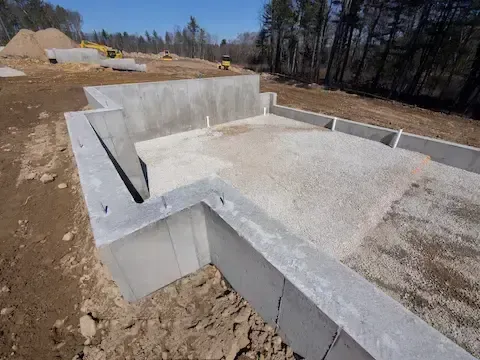
Clackamas County Soil Impact on Concrete Foundations
Understanding Clackamas County's Unique Soil Composition
Clackamas County's soil presents distinct challenges for concrete foundation construction due to its complex geological history. The region's soil composition varies significantly across different areas, with expansive clay soils being particularly problematic in Oregon City and surrounding communities. These clay-rich soils undergo substantial volume changes as moisture content fluctuates throughout the year, creating pressure against foundation walls and potentially causing structural issues over time.
The Willamette Valley's geological formation has resulted in layered soil deposits that include marine sedimentary rocks, volcanic materials, and alluvial deposits. In Oregon City specifically, the presence of Columbia River basalt formations combined with weathered volcanic ash creates soil conditions that retain moisture during wet seasons and contract significantly during dry periods. This cyclical expansion and contraction places continuous stress on concrete foundations, requiring specific design considerations and construction techniques.
Professional contractors must account for these soil characteristics when planning foundation installations. Proper soil testing reveals the plasticity index of clay soils, which indicates how much the soil will expand and contract. Clackamas County soils often exhibit moderate to high plasticity, meaning foundation designs must incorporate adequate drainage systems and potentially deeper footings to reach more stable soil layers.
Drainage Challenges and Foundation Performance
Poor drainage represents one of the most significant threats to concrete foundations in Clackamas County. The region's heavy winter rainfall, combined with clay soils that drain slowly, creates conditions where water accumulates around foundation perimeters for extended periods. This persistent moisture saturation leads to increased hydrostatic pressure against foundation walls and accelerated deterioration of concrete surfaces.
Oregon City's topography, with its mix of hillsides and flatter areas near the Willamette River, creates varying drainage patterns that affect foundation stability. Properties located on slopes may experience water runoff issues, while those in lower-lying areas face potential water table fluctuations. Both scenarios require careful attention to foundation repair strategies and preventive measures during initial construction.
Effective drainage solutions must address both surface water management and subsurface moisture control. French drains, proper grading, and waterproof membranes become essential components of foundation systems in this region. Without adequate drainage, even well-constructed concrete foundations can experience premature failure due to frost heave during winter months and excessive moisture retention throughout the year.
Seasonal Soil Movement Patterns
Clackamas County experiences pronounced seasonal variations that directly impact soil behavior around concrete foundations. During the wet season, typically from October through April, clay soils absorb significant amounts of moisture and expand. This expansion creates lateral pressure against foundation walls and can cause vertical heaving of foundation slabs.
The dry season brings opposite challenges as clay soils shrink and pull away from foundation structures. This shrinkage can create gaps that allow water infiltration during the next wet cycle, establishing a pattern of repeated stress on foundation materials. Understanding these seasonal patterns helps property owners anticipate potential issues and implement preventive maintenance strategies.
Temperature fluctuations also contribute to soil movement, particularly when combined with moisture changes. Freeze-thaw cycles during winter months can cause additional soil expansion and contraction, especially in areas where drainage is inadequate. These combined effects make it crucial to consider long-term soil behavior when designing and maintaining concrete foundations in the region.
Common Foundation Problems in Local Soil Conditions
Clackamas County's soil conditions frequently lead to specific types of foundation problems that property owners should recognize early. Differential settling occurs when different areas of a foundation experience varying degrees of soil movement, creating uneven stress distribution and potential structural damage. This problem is particularly common in areas where soil composition varies across a single property.
Hydrostatic pressure damage manifests as foundation wall cracks, basement leaks, and concrete surface deterioration. The region's clay soils compound this issue by creating impermeable barriers that trap water around foundation perimeters. Over time, this constant moisture exposure weakens concrete and can compromise the structural integrity of foundation systems.
Foundation heaving presents another significant concern, especially for slab-on-grade construction. When expansive clay soils absorb moisture and expand upward, they can lift foundation slabs and create uneven surfaces. This type of damage often appears as cracked floor surfaces, separated walls, and doors or windows that no longer operate properly.
Understanding slab permit requirements in Oregon City helps ensure that new construction projects incorporate appropriate design elements to address these soil-related challenges from the beginning.
Professional Assessment and Mitigation Strategies
Professional soil analysis provides essential information for making informed decisions about foundation construction and repair in Clackamas County. Geotechnical engineers can determine soil bearing capacity, expansion potential, and drainage characteristics that influence foundation design requirements. This analysis typically includes soil samples from various depths to understand the complete soil profile affecting foundation performance.
Mitigation strategies must address the specific soil conditions present on each property. Deep foundations that extend below the active soil zone provide one solution for dealing with expansive clay soils. Alternative approaches include soil stabilization techniques, such as lime or cement treatment, that reduce the expansion potential of clay soils around foundation areas.
Proper site preparation becomes critical for foundation success in challenging soil conditions. This may involve removing and replacing unsuitable soil, installing robust drainage systems, or using specialized foundation designs that accommodate expected soil movement. Professional contractors experienced with local soil conditions can recommend the most appropriate approach for specific site conditions.
Long-term Maintenance Considerations
Maintaining concrete foundations in Clackamas County requires ongoing attention to drainage and soil conditions around structures. Regular inspection of drainage systems ensures that water continues to move away from foundation areas effectively. Property owners should monitor for signs of drainage system failure, such as standing water, eroded soil, or vegetation changes that might indicate water accumulation.
Seasonal maintenance tasks include cleaning gutters and downspouts, maintaining proper grading around foundations, and ensuring that surface water drains away from structures. During dry periods, controlled watering around foundation perimeters can help maintain consistent soil moisture levels and reduce the severity of clay soil shrinkage.
Professional inspection services can identify early signs of foundation problems before they become major structural issues. Regular monitoring of foundation walls, floor surfaces, and drainage systems allows for timely intervention that can prevent costly repairs and maintain structural integrity over the long term.