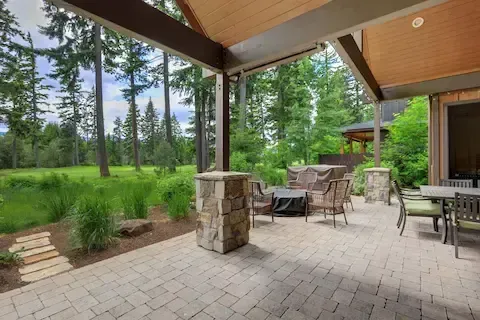
Oregon City Concrete Patio and Walkway Installation
Installing a concrete patio or walkway transforms your Oregon City property's outdoor living space while adding lasting value to your home. These hardscaping features provide durable, low-maintenance surfaces that withstand the Pacific Northwest's wet winters and dry summers. Whether you're planning an entertainment area behind your home or creating accessible pathways through your landscape, proper installation ensures decades of reliable performance.
The unique climate conditions in Oregon City, from heavy winter rains to occasional freezing temperatures, require specific installation techniques that differ from other regions. Understanding local soil conditions, drainage requirements, and seasonal timing helps ensure your concrete installation project succeeds from the start.
Design Planning for Oregon City Properties
Effective patio and walkway design begins with understanding your property's specific characteristics and how they interact with local climate patterns. Oregon City's varied topography, from riverfront properties to hillside homes, presents unique opportunities and challenges for concrete installations.
Site assessment should evaluate existing drainage patterns, soil composition, and sun exposure throughout the year. Properties in Oregon City often feature clay-heavy soils that expand and contract with moisture changes, requiring careful consideration during the planning phase. Areas that receive full southern exposure dry faster after rain events, while north-facing locations may stay wet longer during winter months.
Traffic patterns influence both placement and sizing decisions. Walkways connecting your front entrance to parking areas need different specifications than decorative paths winding through garden spaces. Main thoroughfares require wider dimensions and potentially thicker concrete sections to handle regular foot traffic and occasional wheeled loads.
Integration with existing landscaping preserves mature trees and established plant beds while creating cohesive outdoor spaces. Professional patio installation considers root systems, mature plant locations, and future growth patterns that could affect concrete surfaces over time.
Slope management becomes particularly important on Oregon City's hillside properties. Proper grading ensures water flows away from structures while maintaining comfortable walking surfaces. Steep areas may require stepped installations or terraced designs that work with natural contours rather than against them.
Material Selection and Specifications
Concrete mix design significantly impacts performance in Oregon City's climate conditions. Standard residential concrete typically uses a 3,500 to 4,000 PSI mix, but local conditions may warrant adjustments to aggregate types, cement ratios, or additive packages.
Air entrainment becomes essential for freeze-thaw resistance during occasional winter cold snaps. This additive creates microscopic air bubbles throughout the concrete matrix, providing expansion space when moisture freezes. Without proper air entrainment, surface scaling and cracking can occur after just one severe winter.
Aggregate selection affects both appearance and performance characteristics. Local river rock provides excellent drainage properties and complements Pacific Northwest aesthetics, while crushed stone offers superior compaction and strength. Exposed aggregate finishes showcase natural materials while providing slip resistance during wet conditions.
Reinforcement options range from traditional rebar grids to fiber mesh systems. Steel reinforcement provides maximum strength for high-traffic areas and helps control cracking from soil movement. Synthetic fiber reinforcement offers easier installation and uniform distribution throughout the concrete mass.
Thickness specifications depend on intended use and soil conditions. Residential patios typically require 4-inch thickness over properly prepared base materials, while walkways may function well with 3-inch sections in stable soil conditions. Areas subject to vehicle traffic or heavy loads need 6-inch or greater thickness with appropriate reinforcement.
Site Preparation and Drainage Systems
Proper site preparation prevents future settlement, cracking, and drainage problems that commonly affect concrete installations. Oregon City's climate makes drainage considerations particularly critical for long-term performance.
Excavation depth includes concrete thickness plus base material requirements. Most installations benefit from 4 to 6 inches of compactible base material beneath the concrete slab. This base layer provides uniform support, improves drainage, and helps prevent frost heave during cold periods.
Base material selection influences both drainage and stability characteristics. Crushed rock with angular particles compacts better than rounded gravel, creating more stable support conditions. Proper gradation ensures adequate drainage while maintaining compaction density.
Subgrade preparation involves removing organic materials, loose soil, and debris that could cause future settlement. Oregon City's heavy clay soils may require additional preparation, including soil amendments or geotextile fabric installation to prevent base material migration.
Drainage systems protect concrete installations from water damage and soil erosion. French drains along uphill edges intercept surface water before it reaches concrete surfaces. Proper grading ensures water flows away from patios and walkways toward appropriate drainage areas.
Expansion joints accommodate thermal movement and prevent random cracking. Joint placement typically occurs every 8 to 10 feet in both directions, with additional joints at direction changes or where concrete meets existing structures.
Installation Process and Techniques
Professional installation follows established procedures that ensure consistent results and long-term performance. The process requires careful attention to timing, weather conditions, and quality control measures throughout each phase.
Form installation creates the framework for concrete placement and establishes final elevation and slope requirements. Proper bracing prevents form movement during concrete placement, while accurate leveling ensures water drains appropriately from finished surfaces.
Concrete placement techniques affect surface quality and structural integrity. Proper consolidation eliminates air voids and ensures uniform density throughout the slab. Vibration equipment helps achieve full compaction, particularly around reinforcement and along form edges.
Finishing procedures create the desired surface texture and appearance. Float finishing provides smooth surfaces suitable for furniture placement, while broom finishes offer slip resistance for walkways. Exposed aggregate techniques require careful timing to achieve consistent exposure without over-working the surface.
Curing practices significantly influence final strength and durability characteristics. Oregon City's mild, humid conditions generally support good curing, but protection from direct sun, wind, and temperature extremes improves results. Curing compounds or wet burlap coverings maintain proper moisture levels during the critical first week.
Quality control measures include slump testing to verify concrete consistency, temperature monitoring during placement, and thickness verification to ensure specifications are met. These steps help identify potential problems before they affect finished installations.
Local Code Requirements and Permits
Clackamas County building codes govern concrete patio and walkway installations within Oregon City limits. Understanding permit requirements and inspection procedures helps avoid delays and ensures compliant installations.
Permit requirements typically depend on project size, location, and proximity to property lines or structures. Simple patio installations often fall under minor construction permits, while extensive walkway systems may require more detailed plan review.
Setback requirements establish minimum distances from property lines, septic systems, and existing structures. These regulations protect neighboring properties and ensure adequate access for maintenance activities.
Drainage compliance becomes particularly important for larger installations that could affect neighboring properties or public drainage systems. Projects that alter natural drainage patterns may require additional engineering review or mitigation measures.
Inspection schedules typically include base material approval before concrete placement and final inspection after completion. Having all materials and documentation ready for scheduled inspections prevents delays in project completion.
Professional contractors familiar with local requirements streamline the permit process and ensure installations meet all applicable codes. Their experience with Clackamas County procedures helps avoid common pitfalls that can delay project completion.
Seasonal Timing and Weather Considerations
Oregon City's climate patterns significantly influence optimal timing for concrete patio and walkway installations. Understanding seasonal conditions helps ensure successful project completion and long-term performance.
Spring installation timing takes advantage of mild temperatures and moderate rainfall patterns. March through May typically offers stable weather windows suitable for concrete work, though occasional rain showers require flexible scheduling.
Summer conditions provide the most predictable weather patterns for concrete installations. July through September offers extended dry periods ideal for complex projects requiring multiple phases. However, hot weather may require additional curing precautions and temperature management.
Fall installation extends the construction season into October and sometimes November, depending on weather patterns. Early fall projects benefit from moderate temperatures and lower rainfall, while late fall installations risk weather delays.
Winter concrete work requires special precautions and may not be cost-effective for most residential projects. Cold temperatures slow curing, while frequent rain creates challenging working conditions. Emergency repairs may proceed with proper cold-weather techniques, but planned installations typically wait for spring.
Weather monitoring becomes essential during installation weeks. Concrete placement requires dry conditions for at least 24 hours after finishing, while curing benefits from moderate temperatures and humidity levels.
Maintenance and Longevity Factors
Proper maintenance preserves concrete patio and walkway installations while maximizing their service life. Oregon City's climate presents specific maintenance considerations that differ from drier or colder regions.
Cleaning schedules should address moss and algae growth common in Pacific Northwest conditions. Regular washing with appropriate cleaners prevents organic growth that can create slippery conditions and eventually damage concrete surfaces.
Sealing applications protect concrete from moisture penetration and surface staining. Quality sealers applied every 2 to 3 years maintain appearance and provide additional protection against freeze-thaw damage during occasional cold periods.
Joint maintenance involves monitoring expansion joints and control joints for debris accumulation or sealant failure. Keeping joints clean and properly sealed prevents water intrusion that could cause subbase erosion or cracking.
Drainage maintenance ensures water continues flowing away from concrete surfaces. Regular inspection and cleaning of drainage systems prevents water backup that could undermine installations or create standing water problems.
Crack monitoring helps identify developing problems before they require major repairs. Small cracks can often be sealed effectively, while larger cracks may indicate underlying issues requiring professional foundation repair and slab installation services.
Winter preparation includes removing organic debris that could retain moisture and cause staining or deterioration. Proper snow removal techniques avoid damage from metal shovels or chemical deicers that could harm concrete surfaces.
Professional Installation Benefits
Professional concrete installation services provide expertise, equipment, and warranties that ensure successful project outcomes. The complexity of proper installation, particularly in Oregon City's variable conditions, makes professional services valuable for most property owners.
Experience with local conditions helps contractors anticipate and prevent common problems before they occur. Knowledge of soil types, drainage patterns, and climate factors specific to Oregon City ensures installations perform as intended.
Equipment access includes specialized tools for excavation, compaction, concrete placement, and finishing that produce superior results compared to hand methods. Professional-grade equipment ensures consistent quality and efficient project completion.
Material sourcing through established supplier relationships provides access to appropriate concrete mixes, reinforcement materials, and finishing products suited to local conditions. Professional contractors understand which materials perform best in Pacific Northwest applications.
Warranty protection covers both materials and workmanship for specified periods, providing recourse if problems develop. Reputable contractors stand behind their work and address issues that may arise during normal use.
Project management coordinates permits, inspections, material delivery, and scheduling to ensure smooth project completion. Professional management reduces stress and ensures all requirements are met properly.
Quality assurance through established procedures and experience helps ensure installations meet or exceed performance expectations. Professional contractors understand the details that determine long-term success and implement them consistently.