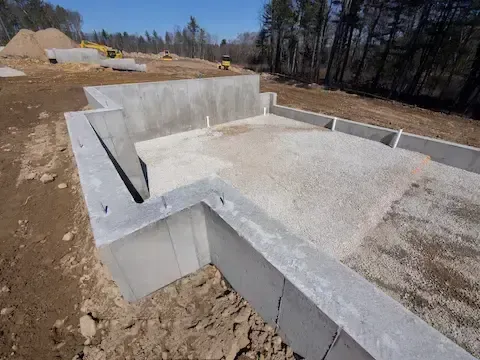
Oregon City Foundation Repair and Slab Installation
Foundation problems in Oregon City demand immediate attention due to the region's unique geological conditions and weather patterns. Whether you're dealing with settling foundations, cracked slabs, or planning new construction, understanding the local soil composition and drainage requirements is essential for long-term structural integrity. The combination of clay-rich soils, seasonal moisture changes, and proximity to the Willamette River creates specific challenges that require specialized knowledge and proven repair techniques.
Understanding Oregon City Soil Conditions and Their Impact
Oregon City's foundation challenges stem primarily from the area's diverse soil composition. The region features expansive clay soils that undergo significant volume changes with moisture fluctuations. During wet seasons, these soils absorb water and expand, creating upward pressure on foundations. Conversely, dry periods cause soil contraction, leading to settlement and potential foundation movement.
The Boring Lava formation underlying much of the area provides relatively stable bedrock, but the overlying soils present ongoing challenges. Silty clay deposits are common throughout Clackamas County, particularly in areas closer to the Willamette River. These soils retain moisture longer than sandy compositions, extending the expansion and contraction cycles that stress foundation systems.
Proper soil analysis before any foundation work is crucial. Professional testing reveals soil bearing capacity, expansion potential, and drainage characteristics. This information guides foundation design decisions, including depth requirements, reinforcement specifications, and necessary drainage improvements.
Common Foundation Problems in the Region
Settlement issues manifest differently depending on soil conditions and foundation type. Differential settlement occurs when one portion of a foundation moves more than adjacent areas, creating stress concentrations that lead to cracking. This problem is particularly common in Oregon City due to varying soil conditions even within single properties.
Concrete slab cracking represents another frequent issue. Shrinkage cracks develop during the curing process, while settlement cracks indicate foundation movement. Heaving cracks result from expansive soil pressure, often appearing during wet seasons when clay soils reach maximum expansion.
Water infiltration compounds foundation problems by accelerating soil movement cycles and weakening concrete over time. Poor drainage around foundations creates hydrostatic pressure that can cause basement wall bowing or slab lifting. Identifying water sources and implementing proper drainage solutions forms a critical component of lasting foundation repair strategies.
Structural Indicators Requiring Professional Assessment
Door and window alignment problems often signal foundation movement. Frames that no longer close properly, gaps between trim and walls, or windows that stick indicate potential settling. Floor level variations, measured with simple tools, reveal differential movement patterns requiring professional evaluation.
Exterior signs include stepped cracks in brick or block walls, separations between foundation walls and attached structures, and visible foundation settling below original grade levels. Interior indicators encompass wall cracks, particularly those running diagonally from corners of openings, and basement wall inward movement or bowing.
Concrete Slab Installation Techniques for Local Conditions
Proper slab installation in Oregon City begins with comprehensive site preparation. Excavation must account for local frost line depths, typically 18 inches in this region, and provide adequate drainage beneath the slab. Sub-base preparation involves compacting native soils and installing graded gravel bases to prevent moisture migration.
Vapor barriers become essential given the region's moisture conditions. Six-mil polyethylene sheeting, properly sealed at joints, prevents ground moisture from migrating through concrete slabs. This protection is particularly important for basement slabs and areas with high groundwater levels common near the Willamette River.
Reinforcement strategies must address local soil movement patterns. Wire mesh provides basic crack control, while rebar grids offer superior strength for areas experiencing significant soil movement. Control joints, strategically placed to guide crack formation, prevent random cracking that weakens structural integrity.
Concrete mix design considerations include air entrainment for freeze-thaw protection and appropriate compressive strength ratings. Local aggregate sources provide materials suited to regional conditions, while proper curing techniques ensure maximum strength development despite variable weather conditions.
Drainage Solutions and Waterproofing Requirements
Effective drainage systems protect foundations from Oregon City's substantial rainfall and seasonal water table fluctuations. French drain installation around foundation perimeters intercepts surface water before it reaches foundation walls. These systems require proper grading, filter fabric installation, and connection to appropriate discharge points.
Interior drainage solutions address water infiltration in existing structures. Basement waterproofing systems combine interior French drains with sump pump installations to manage groundwater intrusion. Proper sump pump sizing accounts for local soil conditions and typical groundwater flow patterns.
Surface drainage improvements prevent water accumulation around foundations. Proper grading creates slope patterns that direct water away from structures, while gutter and downspout systems collect roof water for controlled disposal. These systems require regular maintenance to remain effective through Oregon City's heavy rainfall seasons.
Waterproofing Material Selection
Exterior waterproofing applications provide the most effective protection against moisture intrusion. Liquid membrane systems adapt to foundation wall irregularities and provide seamless protection. Sheet membrane applications offer excellent durability but require precise installation techniques to prevent water penetration at seams.
Interior waterproofing solutions address existing moisture problems without requiring exterior excavation. Crystalline waterproofing compounds penetrate concrete pores to create internal moisture barriers. These systems work particularly well for basement applications where exterior access is limited.
Professional Assessment and Repair Approaches
Professional foundation evaluation begins with comprehensive structural analysis. Engineers assess load-bearing capacity, identify movement patterns, and determine underlying causes. This analysis guides repair strategy selection and ensures solutions address root problems rather than symptoms alone.
Underpinning techniques stabilize foundations experiencing significant settlement. Push pier systems transfer structural loads to stable soil layers or bedrock, effectively stopping further settlement. Helical pier installations work well in Oregon City's challenging soil conditions, providing reliable support even in areas with limited access.
Slab lifting techniques address settled concrete without complete replacement. Polyurethane injection lifts and stabilizes slabs while filling voids beneath concrete surfaces. This approach proves cost-effective for moderate settlement problems and provides long-term stability when combined with proper drainage improvements.
For more comprehensive guidance on concrete restoration techniques, consider reviewing our concrete driveway replacement guide which covers complementary repair strategies applicable to various concrete applications.
Quality Control and Long-term Monitoring
Professional installations include quality control measures ensuring proper execution. Concrete testing verifies strength development and identifies potential problems before they become critical. Regular monitoring of repaired foundations helps detect new movement patterns and guides preventive maintenance strategies.
Seasonal inspection protocols account for Oregon City's weather cycles and their impact on foundation systems. Spring assessments identify winter damage, while fall evaluations prepare structures for upcoming wet seasons. This proactive approach prevents minor problems from developing into major structural issues.
Cost Considerations and Project Planning
Foundation repair costs vary significantly based on problem severity and chosen solutions. Minor crack repairs might require hundreds of dollars, while comprehensive underpinning projects can reach tens of thousands. Early intervention typically provides more cost-effective solutions than delayed repairs that allow problems to worsen.
Slab installation projects require careful budget planning that accounts for site preparation, material costs, and potential complications. Oregon City's soil conditions sometimes reveal unexpected challenges during excavation, making contingency planning essential for successful project completion.
Permit requirements vary depending on project scope and structural modifications. Foundation repairs often require engineering analysis and building permits, particularly for underpinning work or structural modifications. Planning for permit processing time prevents project delays and ensures compliance with local building codes.
Preventive Maintenance and Long-term Protection
Regular foundation maintenance prevents many problems common in Oregon City's challenging environment. Annual drainage system inspections ensure gutters, downspouts, and foundation drains continue functioning effectively. Cleaning and minor repairs maintain system effectiveness and prevent water accumulation around foundations.
Soil moisture management around foundations reduces expansion and contraction cycles that stress concrete structures. Proper landscaping choices, irrigation system design, and grading maintenance create stable moisture conditions that minimize foundation movement.
Seasonal preparation activities protect foundations from Oregon City's weather extremes. Winter preparations include ensuring drainage systems remain clear and functional, while summer activities focus on maintaining adequate soil moisture to prevent excessive contraction and settlement.
Professional foundation systems require ongoing attention to maintain their effectiveness and protect your investment. Understanding local soil conditions, implementing proper drainage solutions, and addressing problems promptly ensures structural integrity for decades. Working with experienced professionals familiar with Oregon City's unique challenges provides the expertise necessary for lasting results and peace of mind.