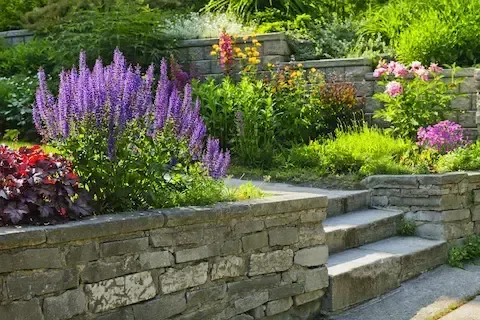
Retaining Wall Costs and Options Oregon City Yards
Retaining wall costs in Oregon City, OR typically range from $25 to $75 per square foot installed, depending on material, wall height, and site conditions. Concrete block (CMU) sits in the mid-range at $35–$60 per square foot. Poured concrete runs $40–$75. Treated timber is usually the most affordable at $25–$45. Oregon City's hilly terrain and clay-heavy soils in Clackamas County often require engineered drainage behind the wall, which adds cost but is essential for long-term stability. Most residential retaining walls in the area fall between $3,000 and $15,000 for a complete project.
How Much Does a Retaining Wall Cost in Oregon City?
Pricing varies based on three main factors: material choice, linear footage, and wall height. In Oregon City, contractors also factor in soil conditions. The Clackamas County area has significant clay content, which means water pressure behind a wall builds fast without proper drainage. Expect any quality bid to include gravel backfill and a perforated drain pipe. Here's a general breakdown:
- Treated timber: $25–$45 per square foot installed. Suitable for walls under four feet. Shorter lifespan in Oregon's wet climate.
- Concrete block (CMU or Allan Block): $35–$60 per square foot. Durable, modular, and widely used on Oregon City residential lots.
- Poured concrete: $40–$75 per square foot. Strongest option for taller or load-bearing walls. Requires forms and rebar.
- Natural stone or boulder: $50–$85 per square foot. Aesthetically popular but labor-intensive in tight yards.
A 30-linear-foot wall standing four feet tall—common on sloped Oregon City lots—will typically cost $6,000 to $14,000 fully installed with drainage.
What Wall Material Works Best for Oregon City Conditions?
Oregon City's wet winters are the primary design challenge. Material that holds up under freeze-thaw cycles and consistent moisture saturation outperforms materials that absorb water. Concrete block and poured concrete both handle Clackamas County's climate well. Timber degrades faster in perpetually wet soil and typically needs replacement within 15–20 years. If you're building on a slope above a structure, driveway, or neighboring property line, poured concrete with rebar is often the right call. For garden terracing or modest grade changes, interlocking concrete block offers a good balance of cost and durability.
For projects involving significant grade changes or walls over four feet, the retaining wall design often requires an engineer's stamp in Oregon under building code. Your contractor should pull the permit and coordinate with Clackamas County's building department—this protects you legally and ensures the design accounts for soil load and drainage correctly.
Do You Need a Permit for a Retaining Wall in Oregon City?
Yes, in most cases. Oregon City follows Clackamas County building code, which generally requires a permit for retaining walls over four feet in height measured from the bottom of the footing. Walls in close proximity to property lines, drainage easements, or public right-of-way may require permits at lower heights. Always verify with the City of Oregon City's Development Services before breaking ground. Unpermitted walls can create complications during property sales and may require costly removal and reconstruction. A licensed concrete contractor familiar with Oregon City will handle permit applications as part of the project scope.
What Hidden Costs Should You Expect?
Several cost factors catch homeowners off guard on retaining wall projects in Oregon City:
- Drainage installation: Gravel backfill and perforated pipe behind the wall are non-negotiable in Oregon's climate. Budget $500–$2,000 depending on wall length.
- Excavation and hauling: Sloped lots require significant soil removal. Equipment access in Oregon City's older neighborhoods can be limited, driving up hand-dig labor costs.
- Engineering fees: For taller or engineered walls, a structural engineer's review adds $500–$1,500 to the project.
- Permit fees: Clackamas County permit costs vary by project value but typically run $200–$600 for residential walls.
- Deadman anchors or geogrid: Taller block walls require additional anchoring into the hillside, adding material and labor cost.
Reading a detailed bid carefully matters. A low quote that omits drainage or permits often costs more in the long run than a complete proposal upfront.
How Long Does a Retaining Wall Last in Oregon City?
Lifespan depends heavily on material and drainage quality. Properly installed poured concrete or CMU block walls with drainage should last 50 years or more in Oregon City conditions. Natural stone walls, if dry-stacked correctly, can outlast all other materials. Timber walls typically last 15–25 years before posts rot at the soil line. The number one cause of premature retaining wall failure in Clackamas County is inadequate drainage—hydrostatic pressure from waterlogged soil pushes walls outward regardless of how strong the wall material is. Reviewing your retaining wall fall drainage prep steps before the rainy season is a practical habit for any Oregon City property owner with existing walls.
How Do You Get an Accurate Quote for an Oregon City Retaining Wall?
Get at least three bids and make sure each one specifies the same scope. A reliable quote should include material type and thickness, footing depth, drainage details, backfill type, permit responsibility, and a clear payment schedule. Oregon City's terrain varies block by block—what's straightforward on a flat lot on Beavercreek Road becomes a complex excavation job on a hillside in the Hilltop or Canemah neighborhoods. Ask whether the contractor has worked in your specific part of Oregon City and whether they've pulled permits with Clackamas County's building department recently. Experience with local soil and access conditions significantly affects both timeline and final cost.