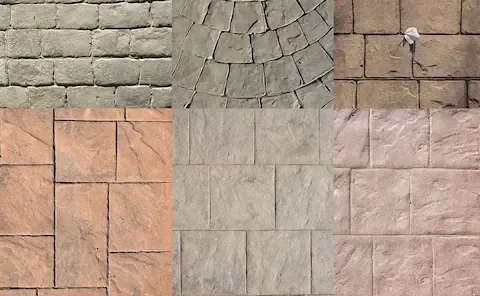
Oregon City Stamped Concrete Ideas Costs and Install
Stamped concrete has become one of the most requested upgrades among Oregon City homeowners looking to improve patios, driveways, pool surrounds, and walkways without sacrificing durability for aesthetics. Unlike plain broom-finished slabs, stamped concrete uses textured mats and integral or surface-applied color to mimic stone, slate, brick, wood, and other natural materials. The result is a surface that delivers visual appeal at a fraction of the cost of natural materials — while holding up to the Pacific Northwest's wet winters and variable temperatures when installed and sealed correctly.
Why Oregon City Homeowners Choose Stamped Concrete
Oregon City sits at the confluence of the Willamette and Clackamas Rivers, and its neighborhoods range from hilltop lots with sweeping views to established riverside properties with older hardscaping. Homeowners here deal with heavy rainfall from October through April, occasional hard freezes in winter, and hot dry summers that can stress outdoor surfaces. Stamped concrete, when properly sealed and installed with adequate control joints, handles this seasonal range better than many homeowners expect.
The appeal goes beyond weather performance. Stamped concrete is significantly less expensive than natural flagstone or travertine per square foot, yet it can convincingly replicate those materials in texture and color. It also offers a monolithic installation without the gaps or settling issues that come with individual pavers. For Oregon City properties where moss and weed growth between pavers can become a maintenance headache, a properly sealed stamped slab eliminates that problem entirely.
Local projects often incorporate patterns that complement the region's natural surroundings — ashlar slate, cobblestone, and wood plank textures are particularly popular choices that echo the Pacific Northwest aesthetic. If you're researching all your surface finish options before committing, reviewing a decorative driveway finish comparison can help you weigh stamped concrete against exposed aggregate and other alternatives side by side.
Popular Patterns and Color Options for Oregon City Projects
Pattern selection is one of the most enjoyable parts of a stamped concrete project, but it also involves practical decisions. Some patterns work better on large flat surfaces; others are better suited to borders, steps, or accent areas. Here are the patterns most frequently requested in the Oregon City area:
Ashlar Slate: A clean, large-format rectangular pattern that works beautifully on patios and pool decks. It reads as natural stone from any distance and photographs well for home listings.
Cobblestone: A smaller, rounded pattern that suits driveways, courtyard areas, and front walkways. It adds a classic European feel that complements older Craftsman and Colonial-style homes common in Oregon City's established neighborhoods.
Herringbone Brick: A timeless pattern popular for back patios and side yard walks. Herringbone stamping creates visual interest without overwhelming the surrounding landscaping.
Wood Plank: A wood-grain texture stamped in plank-width sections. It's often chosen for covered patio slabs where homeowners want a warm, indoor-outdoor feel without the rot and splinter concerns of real wood.
Random Stone: A more organic, irregular pattern that mimics dry-laid flagstone. It suits naturalistic landscapes and properties near the Clackamas River corridor where a more rustic look fits the surroundings.
Color plays an equally important role. Most stamped concrete projects use integral color — pigment mixed throughout the concrete — combined with a surface-applied release agent or antiquing color that settles into the low points of the stamp and creates contrast. Popular palettes in Oregon City lean toward earth tones: charcoal gray, sandstone, terra cotta, and warm brown. Cooler gray tones work well with modern home exteriors, while warmer sand and buff tones complement the region's cedar and brick architectural styles.
Stamped Concrete Cost in Oregon City, OR
Cost is typically the first question homeowners ask, and the answer depends on several variables. Stamped concrete is always more expensive than plain broom-finished concrete because of the additional labor, materials, and skill involved. Here is a realistic breakdown for Oregon City projects:
Basic stamped concrete (single pattern, one color): $12 to $18 per square foot installed
Mid-range stamped concrete (multi-color, release agent, border pattern): $18 to $25 per square foot installed
High-end stamped concrete (custom patterns, hand-staining, decorative borders, steps): $25 to $35 per square foot installed
Resealing an existing stamped slab: $1.50 to $3.50 per square foot depending on condition and sealer type
For a typical Oregon City backyard patio of 400 square feet, you're looking at $4,800 to $10,000 for mid-range stamped work, including base prep, forming, color, sealing, and labor. Driveways are larger surfaces, which can push total project costs to $15,000 or more depending on size and complexity. Site preparation costs — including removal of an existing slab, grading, or compacted base work — are typically separate and can add $1,500 to $4,000 to the project.
Oregon City's soil composition matters here. Many properties in the area sit on clay-heavy soils that shift with moisture changes. A qualified contractor will account for this in the base preparation and joint layout to reduce the risk of cracking over time.
The Installation Process Explained
Understanding how stamped concrete is installed helps homeowners evaluate bids and ask better questions. Here is how a typical Oregon City project unfolds:
Site preparation: Existing material is removed if needed. The subgrade is graded and compacted. A gravel base is typically added for drainage, which is especially important in Oregon City's wet climate where standing water under a slab accelerates freeze-thaw damage.
Forming: Wood or metal forms are set to define the shape and thickness of the slab. Most residential stamped concrete is poured at 4 inches thick; driveways often go to 5 or 6 inches.
Concrete pour with integral color: Pigment is mixed into the concrete at the batch plant or job site, producing consistent color throughout the slab's thickness. This matters for longevity — surface-only color can wear or chip to reveal gray concrete beneath.
Surface color application: A powder or liquid release agent is broadcast or sprayed onto the wet concrete surface. This creates contrast in the finished stamp pattern and prevents the stamp mats from sticking.
Stamping: Workers press heavy rubber stamp mats into the concrete while it's still workable. Timing is critical — the concrete must be firm enough to hold the impression but soft enough to accept it cleanly. This window can be 30 to 90 minutes depending on temperature and humidity.
Detailing and cleanup: Edges, steps, and any areas the mats couldn't reach are detailed by hand using texturing skins and touch-up tools. Excess release agent is washed off after the concrete cures.
Sealing: After the slab cures — typically 24 to 72 hours in Oregon City's climate — a penetrating or film-forming sealer is applied. This is the most critical step for long-term performance in the Pacific Northwest.
Sealer Selection and the PNW Moisture Factor
Sealer selection is where many Oregon City stamped concrete projects either succeed or struggle over time. The region's combination of heavy rainfall, occasional freezing temperatures, and summer UV exposure creates a demanding environment for any sealer. There are two main categories:
Film-forming sealers (acrylic, polyurethane, or epoxy-based) sit on top of the concrete and create a glossy or semi-gloss finish that enhances color depth and pattern contrast. They require reapplication every two to three years and can become slippery when wet — a concern for outdoor surfaces in a climate that sees nine months of rain. Slip-resistant additives are standard practice for any exterior stamped surface in this region.
Penetrating sealers (silane, siloxane, or silane-siloxane blends) absorb into the concrete and repel water without creating a surface film. They provide excellent freeze-thaw protection, don't require frequent reapplication, and don't affect the surface texture or traction. They do less to enhance color, so some contractors use a combination approach — penetrating sealer for protection with a thin topcoat for color enhancement.
For Oregon City properties that deal with hard freezes in December and January, a penetrating sealer component is nearly always recommended. Water that penetrates an unsealed or poorly sealed slab, then freezes, expands and causes surface spalling that's difficult to repair without full slab replacement.
Freeze-Thaw Considerations and Control Joints
Beyond sealing, freeze-thaw performance depends on proper control joint layout. Control joints are intentional weak points cut or tooled into the slab that direct inevitable cracking to predetermined locations rather than random surface cracks. A well-designed stamped concrete slab for Oregon City conditions typically incorporates joints every 8 to 12 feet in both directions, with additional joints around fixed objects like posts or drains.
Air entrainment is another factor experienced contractors use in PNW climates. Air-entrained concrete contains microscopic air bubbles that provide relief space when water freezes within the concrete matrix, dramatically reducing surface scaling in freeze-thaw cycles. Not every contractor specifies air-entrained mix for residential stamped work, but it's worth asking about when reviewing proposals for Oregon City projects.
Maintenance Expectations Over Time
Stamped concrete requires less maintenance than natural stone or pavers but isn't entirely maintenance-free. For Oregon City homeowners, the practical maintenance schedule looks like this:
Annual cleaning: Pressure washing with a fan-tip nozzle removes moss, algae, and organic debris that accumulate quickly in the Pacific Northwest. Avoid high-pressure concentrated settings that can damage sealers.
Resealing every 2 to 5 years: Film-forming sealers need more frequent reapplication; penetrating sealers less so. Signs that resealing is needed include water no longer beading on the surface, fading color, or a dull appearance.
Joint inspection: Control joints should be inspected annually and recaulked as needed to prevent water infiltration.
Avoid deicing salts: Road salts and chemical deicers accelerate surface scaling on concrete. Sand or kitty litter are safer traction aids for any icy stamped surface.
When you're ready to move forward, working with a contractor experienced in both the technical and aesthetic side of stamped concrete makes a significant difference in long-term results. For a complete overview of what professional installation involves, visit the stamped concrete services page to learn more about what's available for Oregon City and surrounding Clackamas County properties.
Making the Right Investment for Your Property
Stamped concrete is one of the few outdoor improvements that delivers both immediate curb appeal and long-term durability when installed correctly. For Oregon City homeowners, the key variables are pattern and color selection, quality base preparation to account for local soil conditions, appropriate mix design for PNW freeze-thaw exposure, and a sealing approach suited to the region's rainfall. Projects that cut corners on any of these elements tend to show problems within three to five years. Projects that address them properly can remain attractive and structurally sound for decades with routine maintenance. The investment range is real, but so is the return — both in enjoyment and in property value for homes throughout the Oregon City area. If you are planning the work for the dry months, our guide to summer stamped concrete projects covers pour timing and pattern selection for the season. If you are planning the work for the dry months, our guide to summer stamped concrete projects covers pour timing and pattern selection for the season.