Summer Stamped Concrete Projects Oregon City Ideas
Summer is the most popular season for outdoor concrete work in Oregon City, and for good reason. The Willamette Valley's warm, dry window between late June and early September gives contractors and homeowners an ideal environment for pouring, stamping, and sealing decorative concrete without the interference of the constant rain that defines the rest of the Pacific Northwest calendar. If you've been thinking about upgrading your patio, driveway, or pool deck, understanding how to work with the season—and with Oregon City's specific climate quirks—will help you get the most out of your investment.
Why Summer Is the Right Season for Stamped Concrete in Oregon City
Stamped concrete requires a precise window between pour and stamp. If the mix is too wet or the ambient temperature too cold, the stamps won't leave clean impressions. If the slab sets too fast in extreme heat, the pattern may not transfer evenly and surface cracking becomes more likely. Oregon City's summer temperatures, which typically range from the mid-60s to the low 90s Fahrenheit, sit in a range that allows concrete to cure at a controlled, consistent pace.
The low summer rainfall in the Clackamas County area is equally important. Decorative concrete is especially vulnerable during the first 24 to 48 hours after a pour. Unexpected rain can wash the surface, dilute color hardeners, and disrupt the stamping process entirely. Planning your project between July and mid-August gives you the best statistical chance of hitting dry, stable conditions.
For anyone researching stamped concrete options, starting that conversation in late spring positions you well. Most experienced contractors in the Oregon City area fill their summer calendars quickly, and getting on the schedule early means you get the pick of timing rather than squeezing into whatever slot remains in late August.
Popular Stamped Concrete Patterns for Oregon City Patios and Driveways
Pattern selection depends on the architectural style of your home, the function of the surface, and how much texture variation you want. In Oregon City's older neighborhoods—particularly in the McLoughlin Heights and Canemah districts—homeowners often gravitate toward patterns that complement established Pacific Northwest aesthetics.
Some of the most requested patterns in the region include:
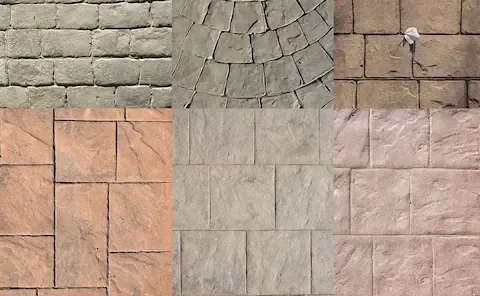
- Ashlar slate: A popular choice for patios and pool decks. The rectangular cut stone pattern pairs well with craftsman-style homes common throughout Oregon City.
- Cobblestone: Works well for driveways and entry areas where a historic or old-world character suits the neighborhood feel.
- Wood plank: Increasingly requested for covered patios and pergola areas where homeowners want a natural look without the maintenance of actual wood.
- Random stone: Versatile for irregular lot shapes common in Oregon City's hillside properties and provides excellent visual texture without appearing too formal.
- Herringbone brick: A clean, geometric option that works well for walkways connecting patios to side yards or back gardens.
Color selection should account for sunlight exposure. South and west-facing surfaces in Oregon City can fade faster than shaded areas. Integral color combined with a surface-applied color hardener gives the most durable, layered result. Earth tones and warm grays tend to hold their appearance better under UV exposure than darker pigments.
Timing Your Pour Around Oregon City Summers
Concrete contractors working in the Oregon City area pay close attention to temperature at pour time, overnight lows during the cure window, and expected UV index. High afternoon sun in July can cause rapid surface evaporation, which affects both color consistency and the integrity of the stamping process.
Experienced crews often start large pours early in the morning to take advantage of cooler temperatures and complete the stamping phase before afternoon heat peaks. Evaporation retarders are commonly used as a surface spray to extend the working window. Your contractor should discuss this process with you before the pour date so you understand what to expect and what to avoid—foot traffic, sprinklers, and overhead irrigation systems should all be paused during this window.
If you're exploring different approaches and cost structures, reviewing stamped concrete ideas and costs gives you a clearer picture of how project scope, square footage, and pattern complexity affect your overall investment before you commit to a summer timeline.
Sealing Stamped Concrete in Pacific Northwest Conditions
Oregon City's climate presents a specific challenge when it comes to sealing. While summer is dry, fall arrives quickly—and the Willamette Valley's wet season begins earlier than many homeowners expect. Sealer applied to stamped concrete protects against water infiltration, freeze-thaw cycles, and the surface staining that comes from wet leaves and organic debris during fall and winter.
For PNW conditions, a penetrating acrylic sealer or a high-quality polyurethane sealer offers the best combination of surface protection and UV resistance. Acrylic sealers tend to be easier to reapply and are more forgiving if the initial coat shows some surface irregularity. Polyurethane options provide stronger protection against abrasion, which matters on driveways and heavily trafficked walkways near the Clackamas River Trail corridor or in busier residential areas of Oregon City.
Sealer should be applied after the concrete has cured fully—typically 28 days for a standard mix—though some contractors apply an initial coat earlier with the understanding that a maintenance recoat will follow. Resealing every two to three years is standard practice for stamped surfaces in western Oregon.
Project Planning Considerations Specific to Oregon City
Oregon City properties often include grade changes, retaining walls, and irregular lot shapes that affect how stamped concrete projects are designed and poured. Hillside lots in particular require careful attention to drainage. Poorly planned concrete areas can direct runoff toward foundations or neighboring properties, which is both a structural problem and a potential code issue.
The City of Oregon City requires permits for many hardscape improvements, particularly when the project involves grading, drainage modifications, or work within proximity to storm drainage infrastructure. Confirming permit requirements before breaking ground keeps your project compliant and avoids costly delays.
Working with a contractor who understands Clackamas County soil types, local drainage patterns, and the permit process means your project moves forward without unexpected interruptions. Oregon City's combination of clay-heavy soils and seasonal saturation makes proper base preparation especially important for any decorative surface that needs to perform year after year.
Making the Most of Your Summer Window
The overlap between Oregon City's dry summer season and the logistical requirements of stamped concrete work makes this a genuinely time-sensitive category of home improvement. Lining up your contractor, finalizing your pattern and color selections, and confirming permit requirements before June gives you the flexibility to schedule your pour at the best possible time rather than scrambling at the end of the season when crews are stretched and fall rain is already on the horizon.